
For the longest time, I judged sunscreen by one thing: whether it left a white cast. I would swatch it on the back of my hand, squint at it in the mirror, and decide from there. It took trying a string of disappointing formulas before I realised I was asking the wrong question entirely.
The right question is not whether a sunscreen looks invisible on your skin. It is whether it suits your skin type, fits your routine, and actually gets worn every day. That is when sunscreen stops being a chore and starts doing its job.
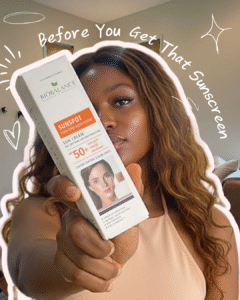
This sunscreen buying guide covers everything you need to know before picking one up, from understanding the different types and formulations to SPF levels, application tips, and honest product recommendations. You can also browse our full sunscreen edit if you are ready to shop.
Physical vs Chemical vs Hybrid Sunscreen: What is the Difference?
Most sunscreens fall into one of three categories. Understanding how each one works makes it much easier to choose the right formula for your skin. According to the Skin Cancer Foundation, broad spectrum sunscreen that protects against both UVA and UVB rays is the most important feature to look for in any formula.
Physical (Mineral) Sunscreen
Physical sunscreens use zinc oxide or titanium dioxide to form a protective layer on the skin’s surface. That layer reflects both UVA and UVB rays before they penetrate the skin.
Key things to know:
- Works immediately after application, no waiting required
- Well suited to sensitive or reactive skin
- Some formulas can leave a white cast, particularly on deeper skin tones
Chemical Sunscreen
Chemical sunscreens absorb into the skin and work by converting UV rays into heat, which is then released from the body. Common ingredients include avobenzone, oxybenzone, and octinoxate.
Key things to know:
- Lightweight texture that blends easily without leaving a white residue
- Needs about 15 to 20 minutes after application before it is fully active
- May not suit very sensitive skin, as some chemical filters can cause irritation
Hybrid Sunscreen
Hybrid formulas combine both mineral and chemical filters. The goal is to balance broad protection with a skin-friendly finish, and many of the newer sunscreens on the market fall into this category. They tend to be a good middle ground if you want reliable coverage without the heaviness of a purely mineral formula.
Sunscreen Formulations: Which Texture Is Right for Your Skin?
Beyond the type of sunscreen, the formulation matters too. The same SPF 50 will feel completely different depending on whether it is a gel, cream, or spray, and the right texture depends on your skin type and climate.
Lotions and Creams
The most widely available formulation. Creams often include moisturising ingredients, making them a good fit for normal to dry skin. They provide good coverage and tend to work well as the final step in a morning routine.
Gel Sunscreen
Gel formulas absorb quickly and leave little to no residue, which makes them ideal for oily or acne-prone skin. They are also a solid choice if you live somewhere warm and humid, since they sit lightly on the skin without feeling suffocating.
Spray Sunscreen
Convenient for reapplication, especially outdoors. The important thing with spray sunscreens is to apply generously and rub the product in so it distributes evenly across the skin.
Stick Sunscreen
Designed for targeted application around the eyes, nose, lips, and hairline. Useful as a complement to your main sunscreen rather than as a full-face product.
Tinted Sunscreen
Tinted formulas help minimise the appearance of white cast and offer light coverage that evens out the skin tone. They also provide additional protection against visible light, which contributes to hyperpigmentation. If you are managing dark spots or uneven pigmentation, our guide on choosing the right active ingredients for hyperpigmentation is worth reading alongside this one.
What to Look for When Choosing a Sunscreen
SPF Level
SPF 30 is the minimum for reliable daily protection, blocking around 97% of UVB rays. SPF 50 offers slightly higher coverage and is a sensible choice if you spend extended time outdoors. The American Academy of Dermatology recommends SPF 30 or higher for everyday use. Going beyond SPF 50 offers diminishing returns, so consistency matters far more than chasing a very high number.
Broad Spectrum Protection
Always look for the words ‘broad spectrum’ on the label. This means the formula protects against both UVA rays, which cause premature ageing and pigmentation, and UVB rays, which cause sunburn. Some sunscreens only address UVB, so broad spectrum coverage is an important distinction.
Water Resistance
If you swim, exercise outdoors, or live somewhere very humid, a water-resistant formula is worth choosing. Most maintain protection for 40 to 80 minutes during activity. Reapplication is still necessary after that window.
How to Apply Sunscreen Correctly
Choosing the right sunscreen is only half the equation. How you apply it determines how much protection you actually get.
- Use enough product. A widely used guide for the face and neck is two finger lengths of product. Applying too little reduces the protection level significantly.
- Apply it daily, not just on sunny days. UVA rays are present year-round and penetrate glass, so your skin is exposed even when you are indoors near a window.
- Reapply every two to three hours. Sunscreen breaks down through sweat, sebum, and UV exposure. Reapplication keeps your protection consistent throughout the day.
- Apply as the last step of your morning skincare routine, after moisturiser and before makeup.
Sunscreen Recommendations: What I Have Actually Tried
There are thousands of sunscreens on the market and every skin responds differently. These are the ones I have personally used, with honest notes on who they work best for. You can shop all of these directly from The Sozaya Edit sunscreen store.
Biobalance Aknsun (Matte Formula)
A full-coverage formula that works well for acne-prone skin. The matte finish controls shine effectively, though I noticed it can feel heavy in warm weather. It performs much better in an air-conditioned environment. If you work indoors most of the day, this is a solid daily option. Shop Biobalance Aknsun.
Biobalance Sun Protection Cream
This one has become a staple for me because it doubles as both a moisturiser and a sunscreen, which simplifies a morning routine considerably. One thing worth noting: apply it in small doses and build up. Too much product at once can result in a white cast. A little genuinely goes a long way with this one. Shop Biobalance Sun Protection Cream.
Biobalance Sunspot
I reached for this when I was dealing with hyperpigmentation and dark spots, and it delivered. It offers full coverage and I noticed a visible improvement in my skin’s evenness over time. A good option if you are managing post-acne marks or uneven pigmentation alongside your sun protection. Pairs well with the active ingredients covered in our guide to choosing serums for hyperpigmentation. Shop Biobalance Sunspot.
Missha All Round Safe Block Aqua Sun Gel
I want to be straightforward here: this one broke me out. I know other people rate it highly, and it is a popular recommendation for oily skin because of its gel texture. But my skin did not respond well to it. If you have reactive or acne-prone skin, I would patch test carefully before committing to the full product. Shop Missha All Round Safe Block.
Skin Aqua Super Moisture Gel Sunscreen
I have not personally used Skin Aqua but it comes up frequently in sunscreen conversations for good reason. The range is known for lightweight, non-greasy formulas that work particularly well on oily skin and deeper skin tones without leaving a white cast. Worth exploring if the other options here do not feel right for your skin. Shop Skin Aqua Super Moisture Gel.
Finding the Right Sunscreen for Your Skin
The best sunscreen is not the one with the highest SPF or the most viral packaging. It is the one you will actually use every day because it suits your skin, fits your routine, and feels comfortable in your climate.
Once you understand the difference between physical and chemical formulas, know what texture works for your skin type, and find a product that genuinely sits well on your face, daily sun protection stops feeling like an afterthought and starts becoming second nature.
That shift, from obligation to habit, is where the real skin benefits start to show. Ready to find yours? Browse the full sunscreen collection at The Sozaya Edit.
Leave a Reply